Ledger.com/Start – Detailed 1200-Word Overview
Ledger.com/start is widely known as the official starting point for anyone setting up a Ledger hardware wallet for the first time. Even though many people use it as an onboarding resource, its real purpose is much broader. It serves as a guidance hub, a learning pathway, and an orientation page that helps users understand how a Ledger device works, how it protects digital information, and what steps are needed to begin using the device safely. If you’re curious about the process or want to understand how people typically get started, the following detailed explanation breaks it down clearly.
1. What Ledger.com/Start Represents
At its core, Ledger.com/start acts like a beginner’s manual organized into an online interface. Instead of leaving new users to figure out everything themselves, the page provides structured directions that explain:
What a Ledger device is designed to do
How to physically set it up
How to install Ledger Live
How security features like PINs and recovery phrases work
How to keep information safe
Even without performing any real setup steps yourself, reading about the process helps you understand how hardware wallets function. Ledger positions this guide as the safest and most straightforward way for people to get familiar with their device without confusion or unnecessary risks.
2. Introduction to Ledger Hardware Wallets
Ledger devices—such as Ledger Nano S Plus or Ledger Nano X—are known for their strong security design. These devices store private keys offline, meaning those keys are not exposed to regular internet-connected systems. Ledger.com/start helps users understand this fundamental concept early. The platform emphasizes that hardware wallets focus on security first, giving individuals more control over their digital assets.
The guide makes it clear that a hardware wallet is not an online account, not an exchange, and not cloud storage. It is a physical device, like a small USB tool, that keeps sensitive information protected. This difference often confuses beginners, so Ledger.com/start breaks it down with simple explanations and visuals to help avoid misunderstandings.
3. Setting Up the Device for the First Time
Ledger.com/start contains a structured step-by-step journey for someone turning on their device for the very first time. Even reading about this process gives you insight into how these devices work:
Plug in the device
When the Ledger is connected, the small screen lights up and displays welcoming instructions.Choose a PIN
A PIN adds a layer of protection so that only the device owner can operate it. Ledger.com/start explains how to create it and why it matters.Write down the recovery phrase
This is one of the most important concepts introduced on the page. A recovery phrase is a set of 24 words that act as a secure backup. Ledger provides clear warnings that the phrase must be handwritten and stored safely.Confirm the recovery phrase
To make sure new users understand their backup words correctly, the device asks them to re-enter the phrase.Complete the initialization
After confirming everything, the device is ready to pair with Ledger Live.
Each of these steps is described clearly on ledger.com/start so even beginners with no technology background can follow and understand what is happening. The page also explains why these steps exist—to help users take responsibility for the security of their information.
4. Installing Ledger Live
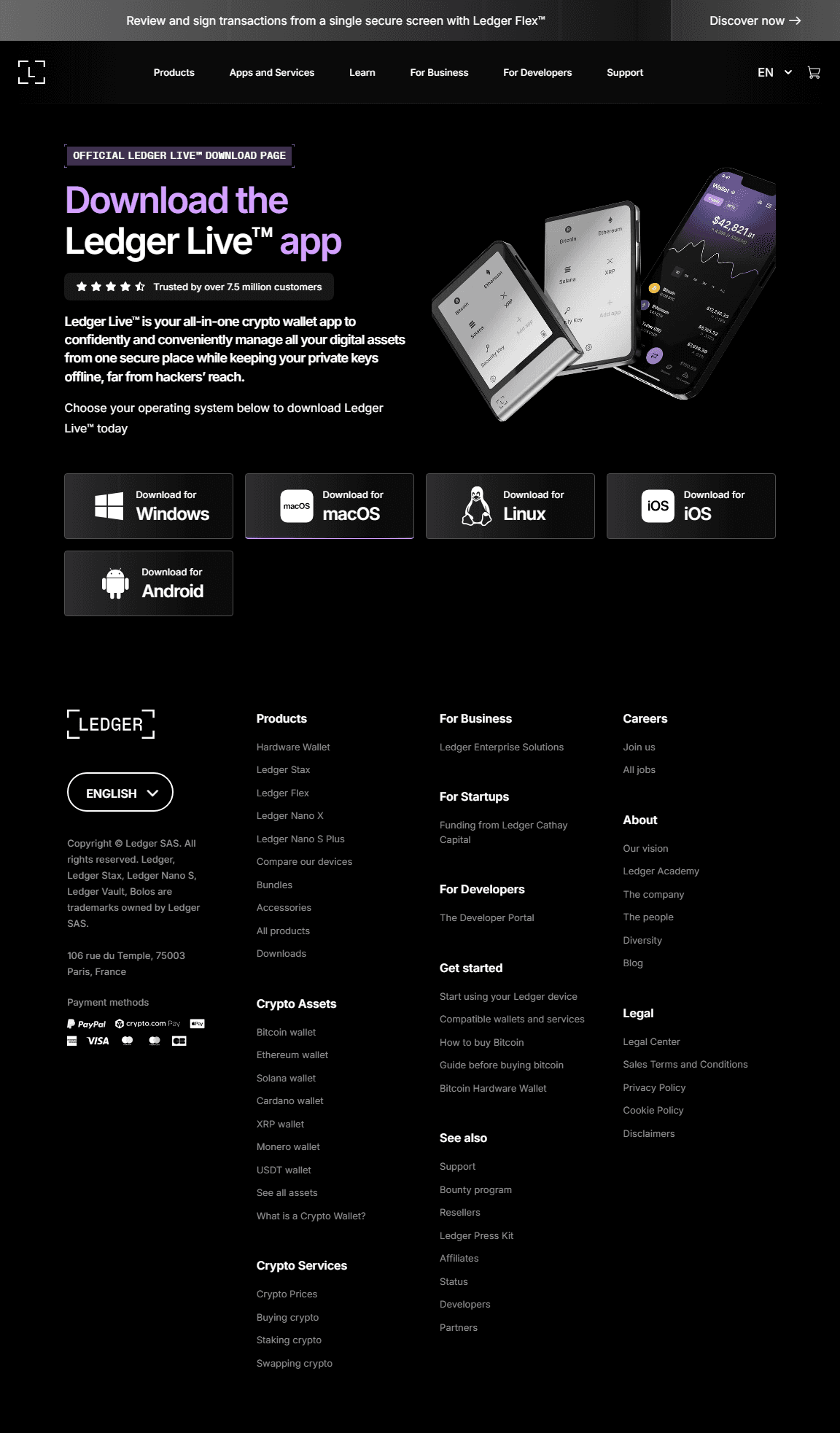
The next major part of ledger.com/start is guidance on installing Ledger Live—the desktop and mobile application that works with the hardware device. The page explains Ledger Live as a dashboard that brings together many important functions. While it doesn't act as a storage place itself, it communicates with the hardware device to help users manage digital accounts.
Ledger.com/start ensures people know how to download ledger live from safe sources and how to connect it to their device. It provides visuals, instructions for different operating systems, and reminders to verify software authenticity.
Once installed, Ledger Live becomes the main interface for:
Adding accounts
Viewing balances
Updating firmware
Installing apps
Tracking activity
The onboarding process also introduces Ledger’s approach to security updates, explaining why it’s important to keep both the device and software up to date.
5. Learning About Security Concepts
A big part of Ledger.com/start is educational. Instead of just giving technical steps, the page explains why each security concept exists. It dives into topics such as:
Recovery Phrase Awareness
The recovery phrase is treated as the ultimate security backup. The site explains that:
Only the owner should know it
It should never be typed into websites
Ledger employees will never ask for it
Losing it means losing access
These explanations help beginners recognize common scams and avoid risky behavior online.
Offline Key Storage
Ledger.com/start also highlights how hardware wallets keep private keys offline. This makes it harder for malware, phishing attacks, or social engineering tricks to compromise sensitive information.
Firmware Updates
The page explains how regular updates keep the device functioning reliably. It presents firmware updates not as complicated processes but as a normal part of owning secure hardware.
6. Exploring Ledger Live After Setup
Once the basic setup is complete, ledger.com/start transitions into showing users what they can do inside Ledger Live. It introduces features in an approachable, educational way:
App Installation
Since different digital networks require different device apps, Ledger Live lets users install the ones they need. The page walks through how app installation works and why each app is isolated to strengthen security.
Account Overview
Ledger Live provides real-time visuals of account balances and activity. Ledger.com/start introduces the layout and tools that help users explore without confusion.
Portfolio View and Tracking
Even though the platform includes portfolio graphics, ledger.com/start stresses that users should understand these tools simply as organizational resources, not as financial advice or instructions for investment.
Device Management Features
The onboarding guide explains:
Checking storage
Viewing device details
Resetting or clearing the device
Running firmware updates
All these tasks are explained clearly so users understand the functions without feeling overwhelmed.
7. User Tips and Best Practices
Ledger.com/start includes general tips that help create safe digital habits. Some examples include:
Always verify addresses or information on the hardware screen
Keep the device's physical location secure
Avoid sharing sensitive details online
Check that Ledger Live is genuine
Be careful with emails or websites pretending to be support services
The page emphasizes cautious behavior without using fear tactics. It focuses on empowerment—helping people feel confident taking care of their own security.
8. Troubleshooting and Help Resources
If new users run into issues, ledger.com/start directs them to various support materials. These resources help with:
Device not turning on
Difficulty updating software
Confusing messages on the device
Questions about the recovery phrase
USB or Bluetooth connection issues (depending on the model)
The platform also includes tutorials, frequently asked questions, and step-by-step visuals. These help minimize confusion, especially for people who are not used to technical devices.
9. The Importance of Using the Official Guide
Ledger.com/start reminds users to always access official resources directly rather than relying on random online sources. Fake websites and imitation downloads exist online, so the guide encourages safe browsing habits.
By using the official resource:
Instructions are accurate
Software is verified
Scams are avoided
The setup process stays secure
This awareness is especially helpful for beginners.
10. Final Thoughts on Ledger.com/Start
Overall, ledger.com/start serves as a complete onboarding center that explains how to set up a Ledger hardware device, how to pair it with Ledger Live, and how to maintain good security habits. The guide is built around clarity, safety, and user empowerment. Even if you’re simply learning about the process, it provides a strong understanding of how hardware wallets operate, how users protect their information, and what steps are necessary to manage digital assets responsibly.